Object and Body: Conclusion and My Final Response

Objects & Bodies, Photo - Object: Initial idea

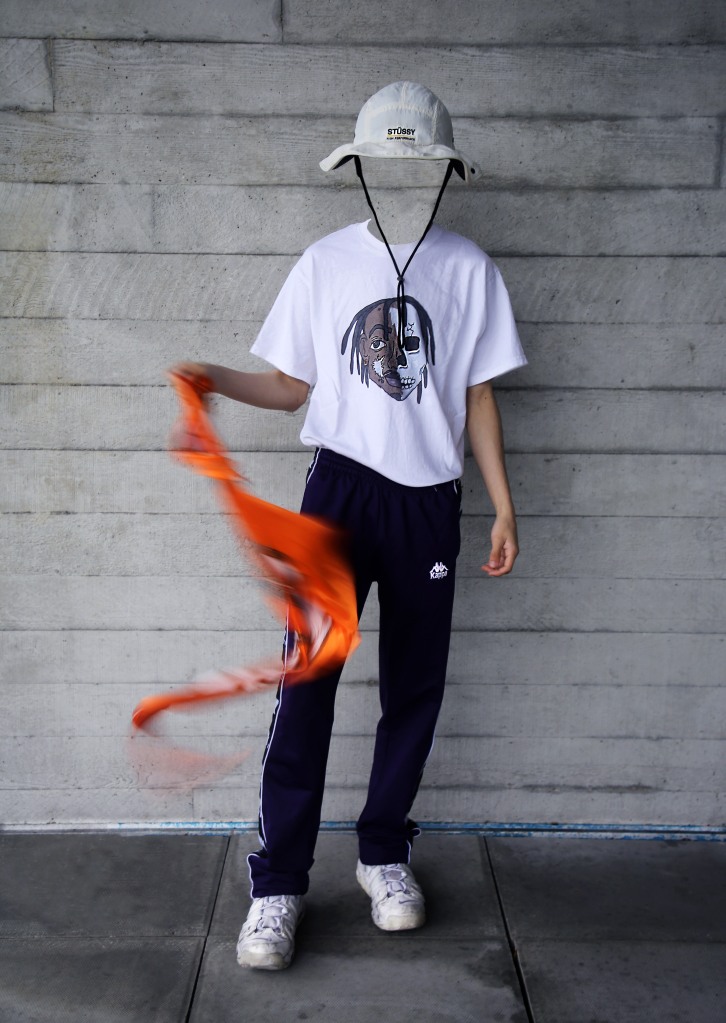
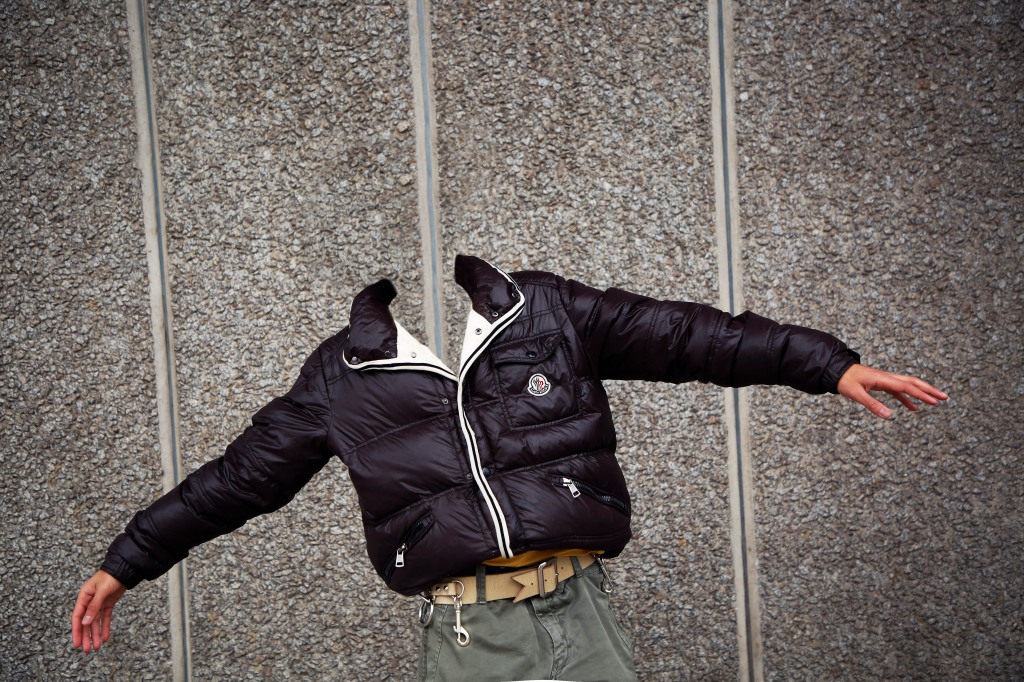
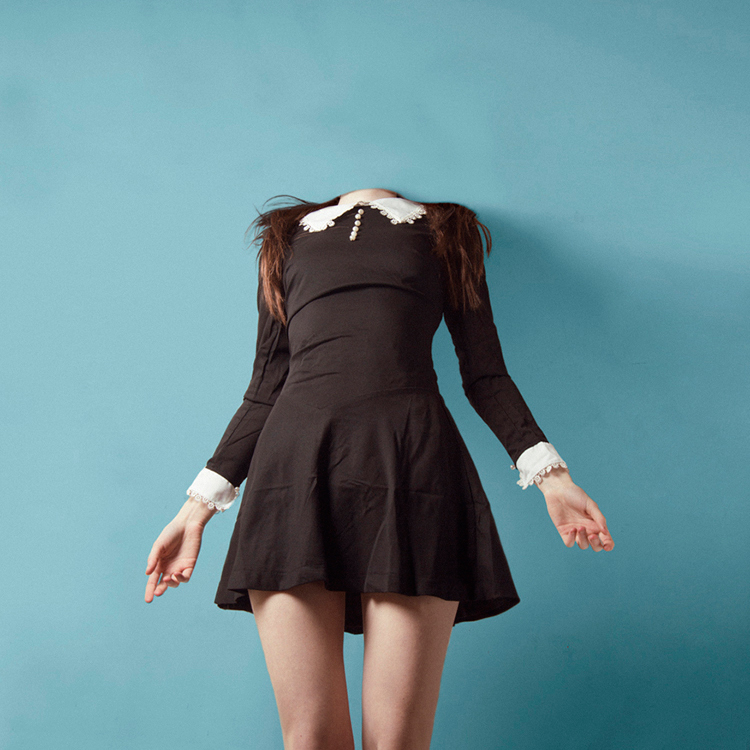
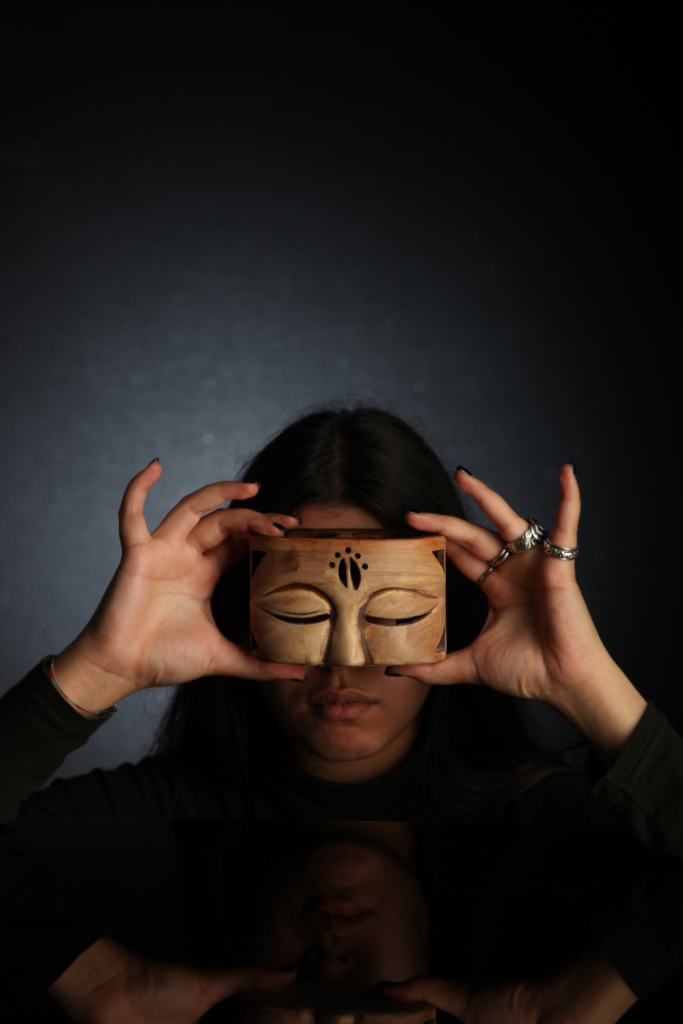
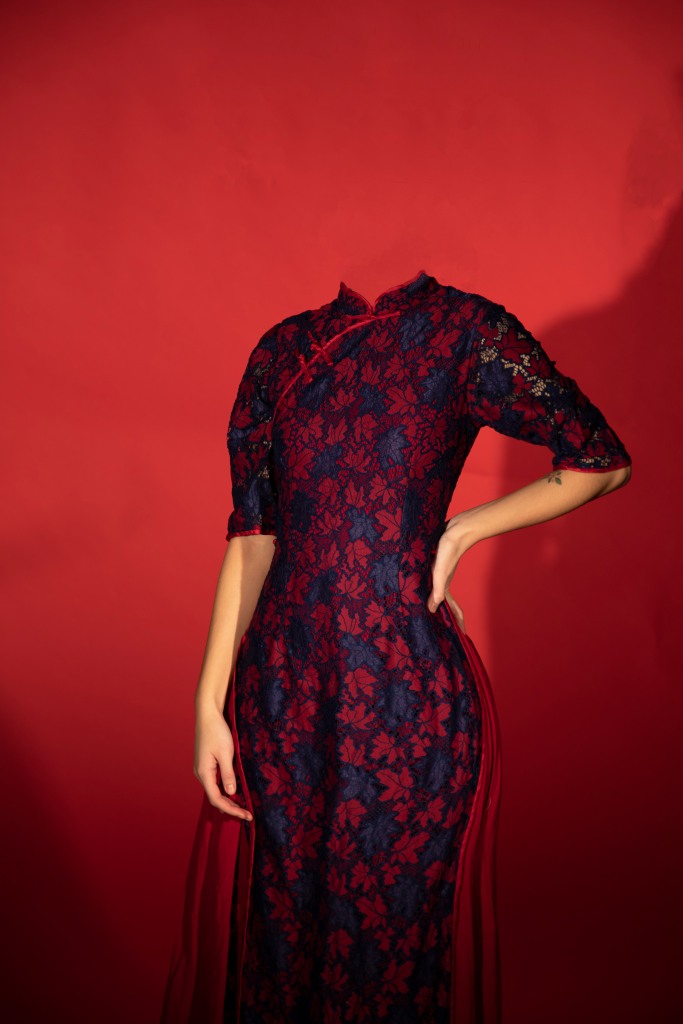
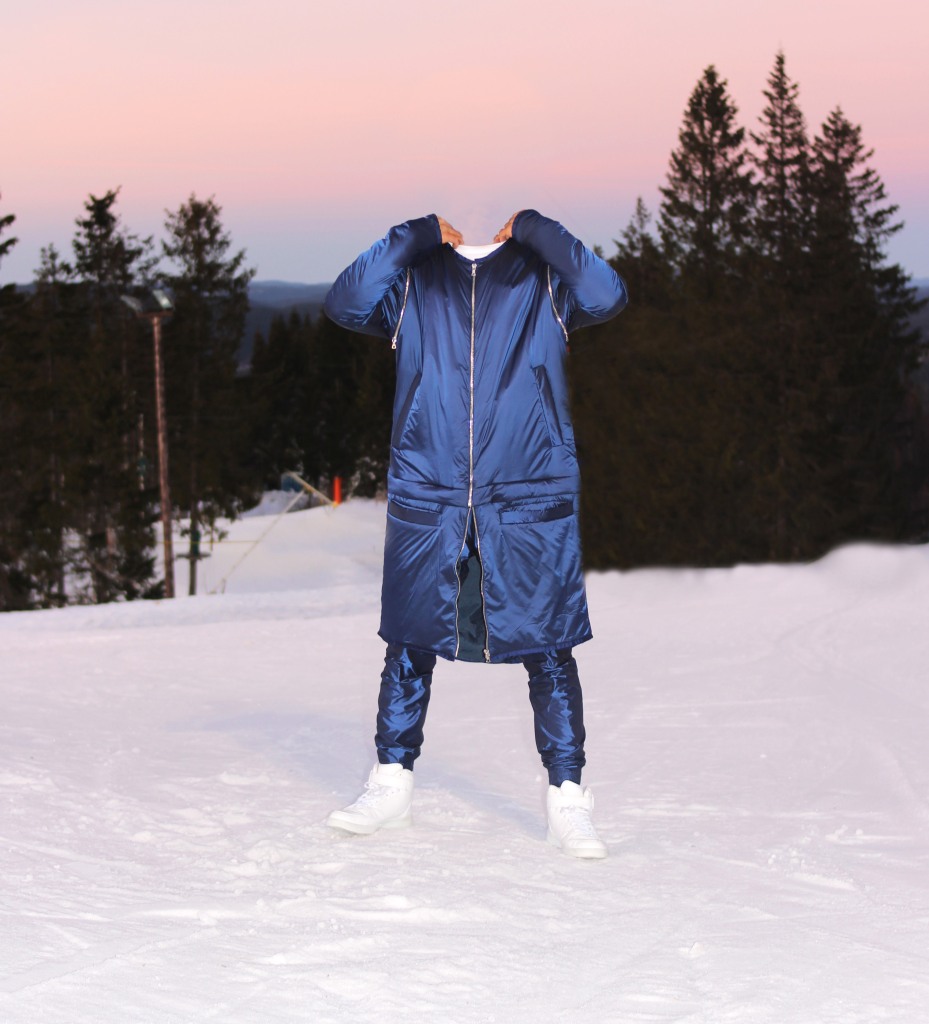
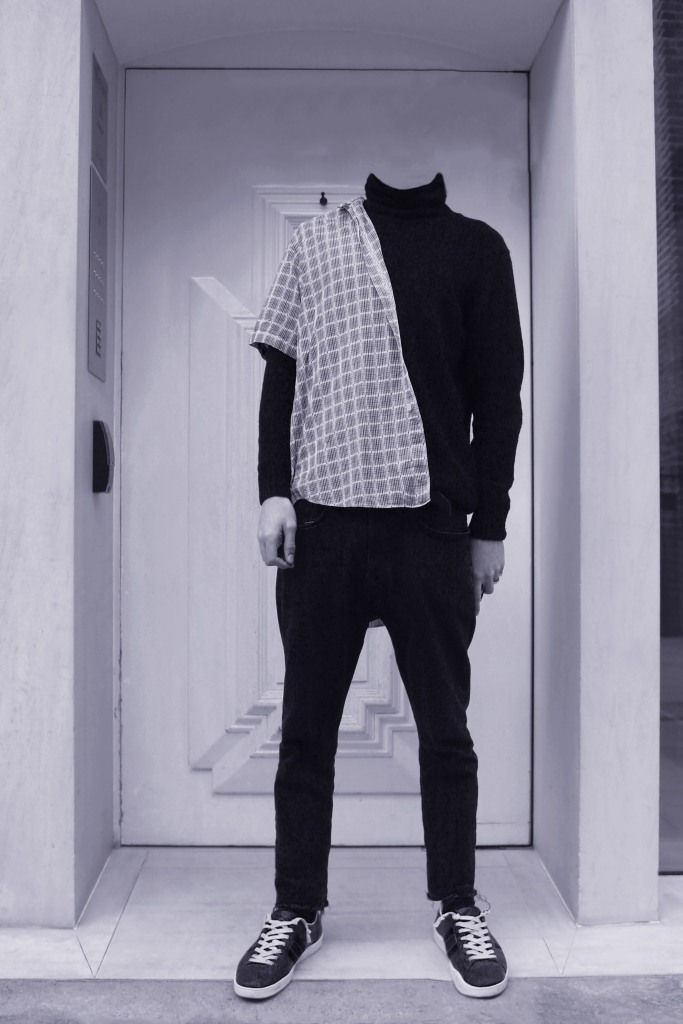
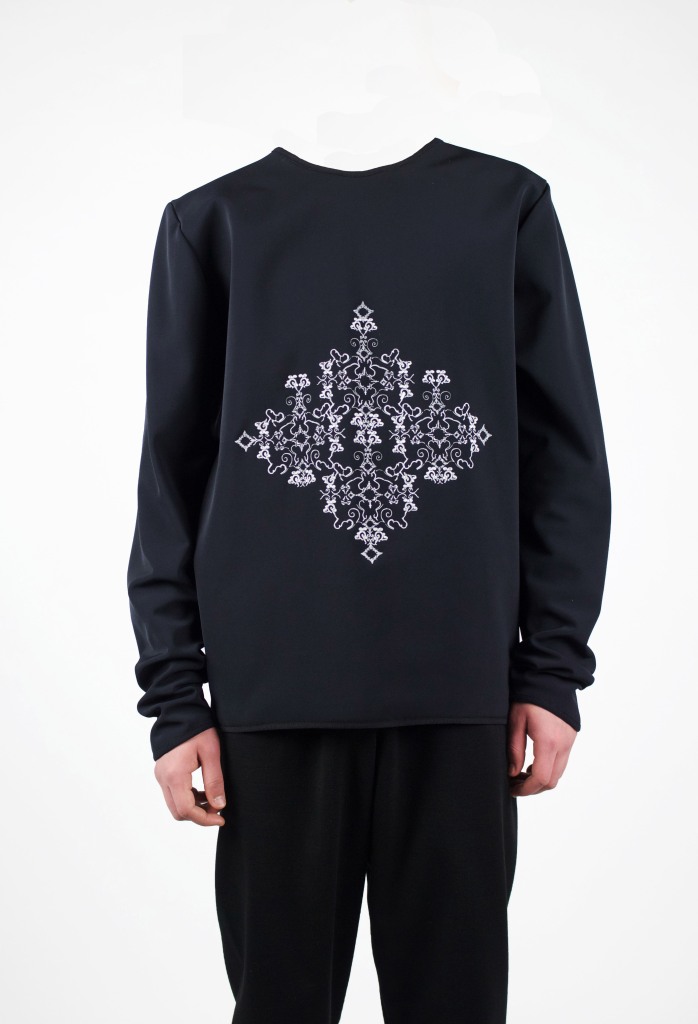
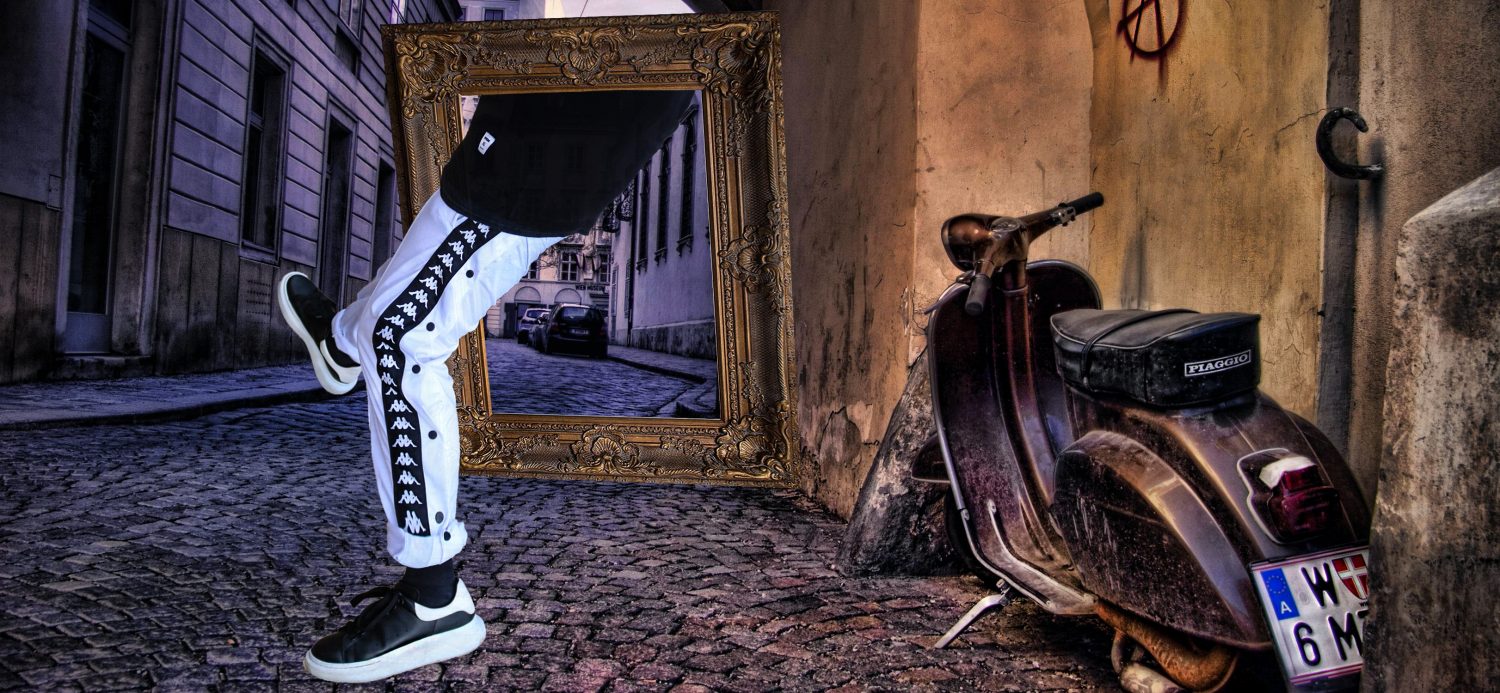
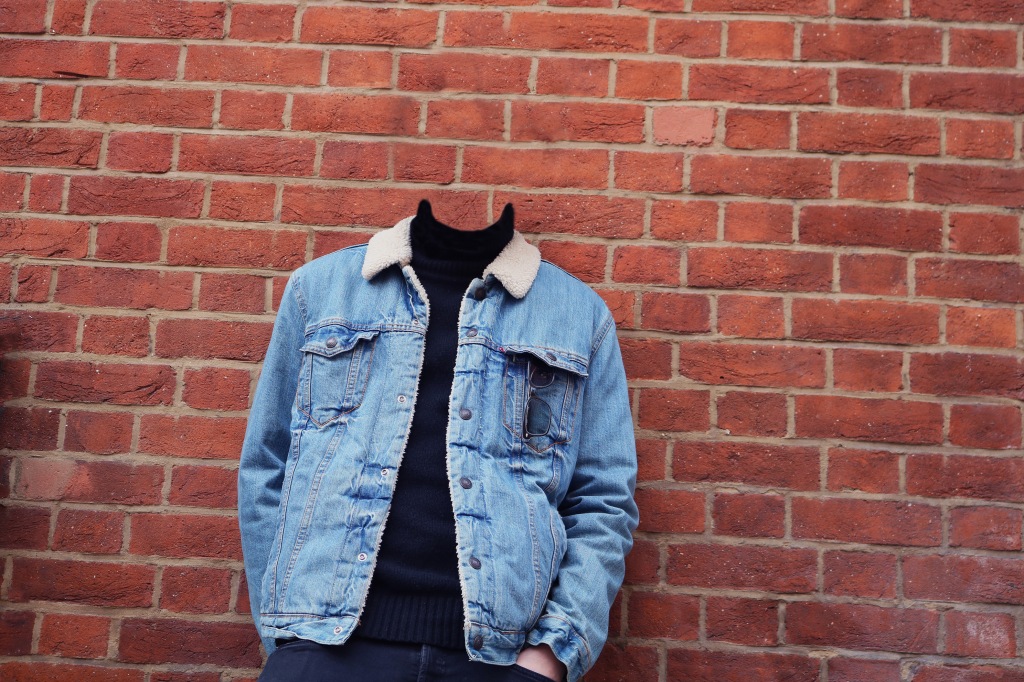
Here I present my finaly four outcomes to this project, they relate to the Object and body section. I used my photoshop skills to enhance these photos. Using the cloning, patching and selection tools I managed to successfully get rid of my models heads effectively. After performing the photoshoot, the first thing I done was duplicating the layer of the imagine so that any improvements and adjustments were not on the original photo. I zoomed into the photograph real close and started to select the head till the top of the torso. After I selected the cloning tool and made selections to the background after which I layered on top of the head. At that time, everything went messy, there was body elements sticking around and there was quite a bit of smudged pixels on the photo. Then I had to really zoom in even more closely and carefully I started to get rid of the unwanted flesh. After getting rid of the head I made adjustments with the brightness, contrasts, light levels and by using the colour balance dial I could make the skin tone of my models more realistic, otherwise my models would look more orange. Lastly using the liquify tool I tucked in the clothes, I poked the logos to make them bigger (they stand out way more now) and used the lighten tool to enhance the white shades to be more vibrant. 

I choosen their outfits perfectly so that they contrast by colour, style and pattern. One is more elegant and luxury while the other is more urban and street. Being influenced By Flora Borsi, allowed me to look at a photograph differntly and actualy question it, Should I do heavy re touching?, would it be tacky? and I thought that it is going to be a challenge but atleast I will know that I given my best to it.

I have traveled to soutbank, that was the most convinient place for us three to travel to. As soon as we met I explained to them that I will be scouting for simple backgrounds and keeping it steady as I didnt want the day to go anf for the sky to turn dark. I needed natural lighting as I was not shooting in a studio.
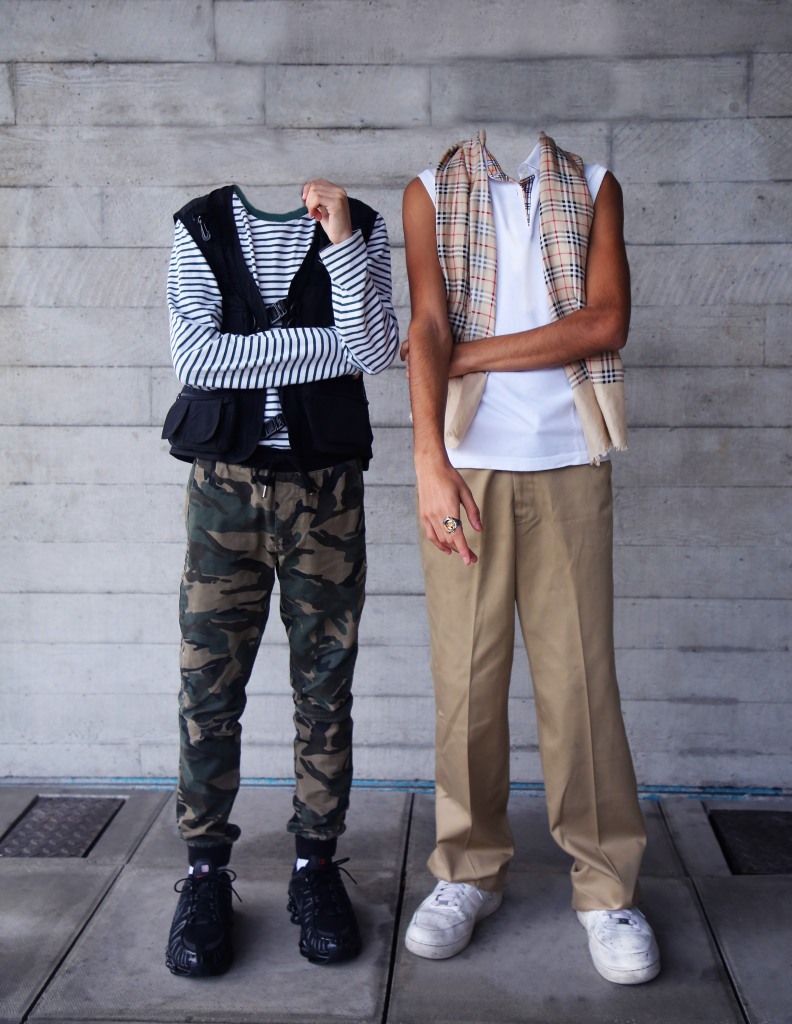
Here I present two models wearing differnt outfits, one is wearing a burberry themed, high end clothes where as the model on the left wears a street/ tactical theme. The audience can focus more on the clothes themselves now raher than also wasting time on looking at the model. Using the liquify tool, I enlarged the ring on the right, to make it more recognisable.
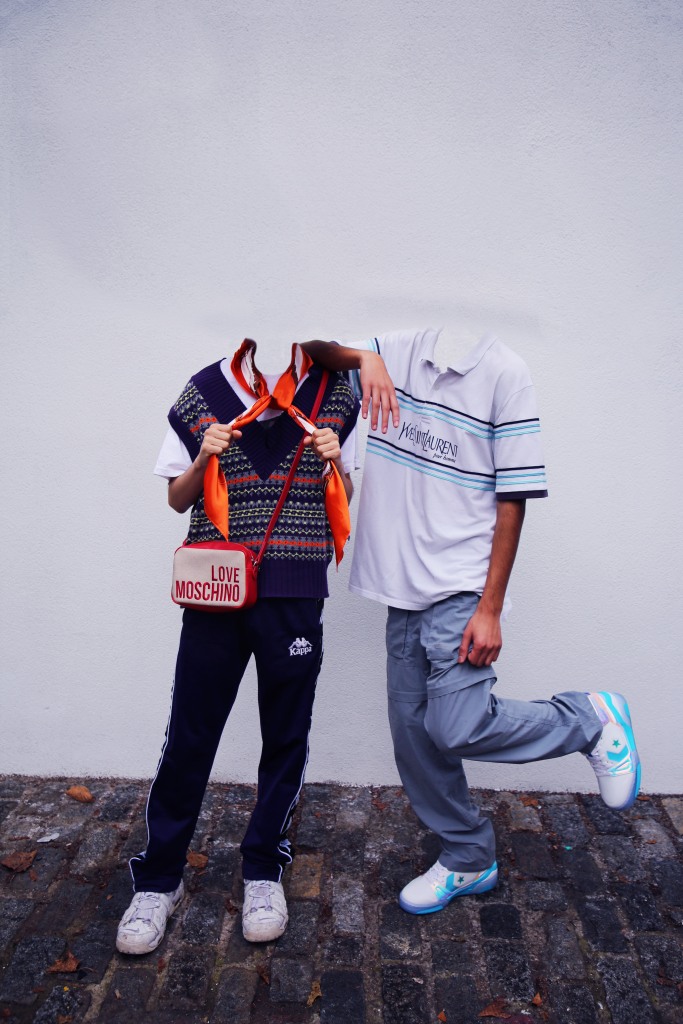
Here I display another example of showing the garments without their heads. I tried to guide my models so that they dont stand there akwardly but told them to do a pose. By having his leg poking up it shows off the shoes he is wearing more as there is more attention to them than the shoes on the left.
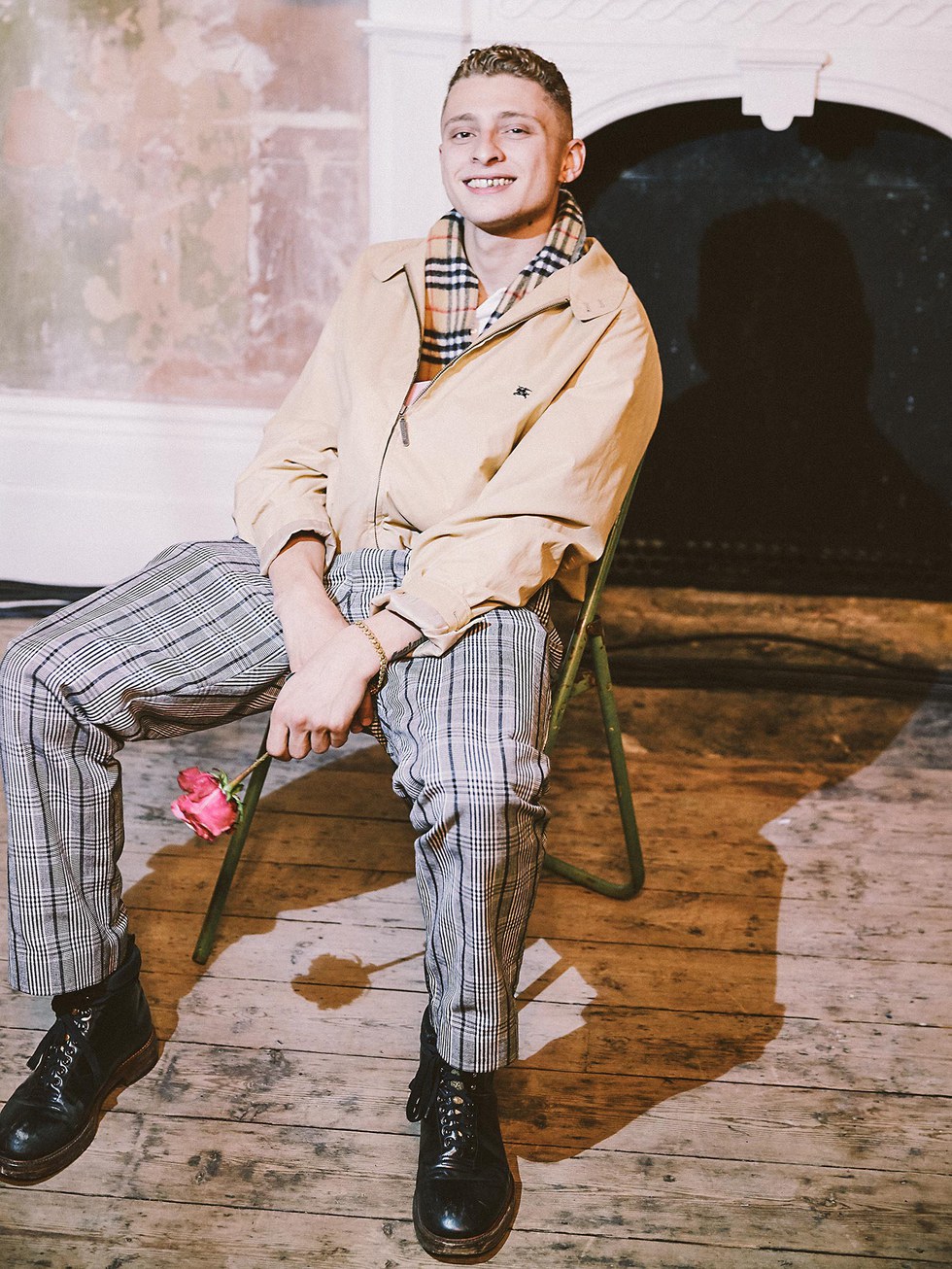
This shot is one of my favourite, The missing head really suits this imagine becasue of the bucket hat floating in the air. I wanted to include an obect in this shot and therefore I told my model to hold his scarf and whip it around to make my shot more vivid witht he bright orange colour as his clothes were a little monotoned.
Finishing with this shot is effective because of the pose, this model is a dancer and I wanted him to do numerous styles of poses and this stance did really stand out to me. The moncler jacket worked well in this shot as it made my post production east as there was no hard features I had to go around, however cloning the wall was a challenge as The middle crossing line was hard to clone, I had to really go tot detail to make it as realistic as I could.

To conclude I do really like the relation and connection all my outcomes have together. I had a lot of photos( around 800) and I had to come to the top three and select them. I did do self critiscm and managed to allow myself some time to look at each photograph I selected to check in detail for any blury shots, any wrong postions, or for the right lighting. When I decided onto my top three, I needed another photo to go with the series. I had to have two photos of both model and then one of each.
Objects and Bodies in Photography

Objects & Bodies, Photo-Object: Research

The subject: the human agent, that which acts, that which imposes form onto matter. Landscape photography cuts space to make a view. We humans make objects come to life.

The object: a passive creation, a thing which is made, encountered, possessed. Things that modify us, for example “We are what we eat”.

Representations of the human body have become a central part of photographic practice and consequent critical discussion since the 1980s. Furthermore, the things we have in our homes represent who we are. They define us, even what we wear or what we buy. We have a choice to buy certain things such as an old statue or figure which shows we like the histrory of that object.

Elizabeth Grosz, from the chapter ‘The Thing’:

“The thing is what we make of the world rather than simply what we find in the world… The thing is an outlined imposition we make on specific regions of the world so that these regions become comprehensible and facilitate our purposes and projects…”

“The thing is the compromise between the world as it is in its teeming and interminable multiplicity … and the world as we need it to be or would like it to be: open, amenable to intention and purpose, flexible, pliable, manipulable, passive”

– from Architecture from the Outside: Essays on Virtual and Real Space, MIT 2001, reprinted in The Object Reader

She talks about how the world is opened to us, its meaningful and there is purpose in this world. The world is a thing we can use to develop. The thing is different to a subject or an object. She talks about the compromise between what the world is, the rocks and all the water and the world that we need it to be. Subjects turn the immeasureable continuity of the world into things (that can be held, used, lived in) or subjects turn the immeasureable continuity of the world into things (that can be held, used, lived in).

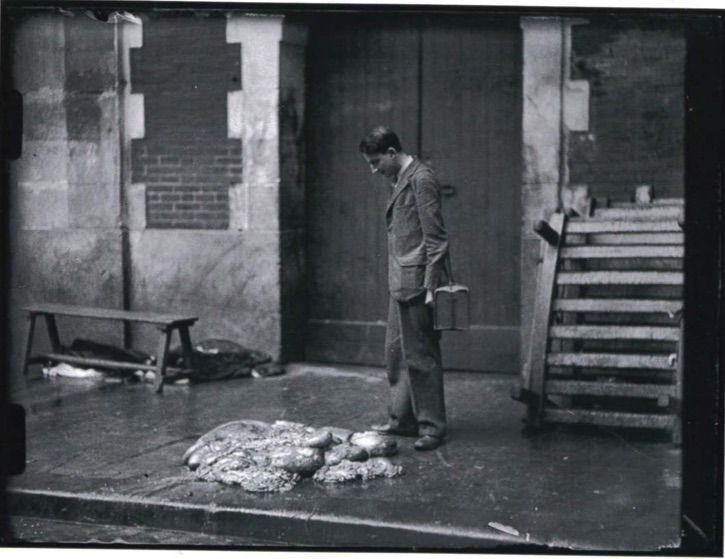
A subject (wearing clearly defined objects)
contemplates a spreading ill-defined thing

Eli Lotar, Abattoirs de la Villette, 1929

Hes wearing a suit, a bag, shoes and there is an object on the floor that looks troubling, it looks confusing, looks fleshy and it doesnt really have a representation.

Viviane Sassen:

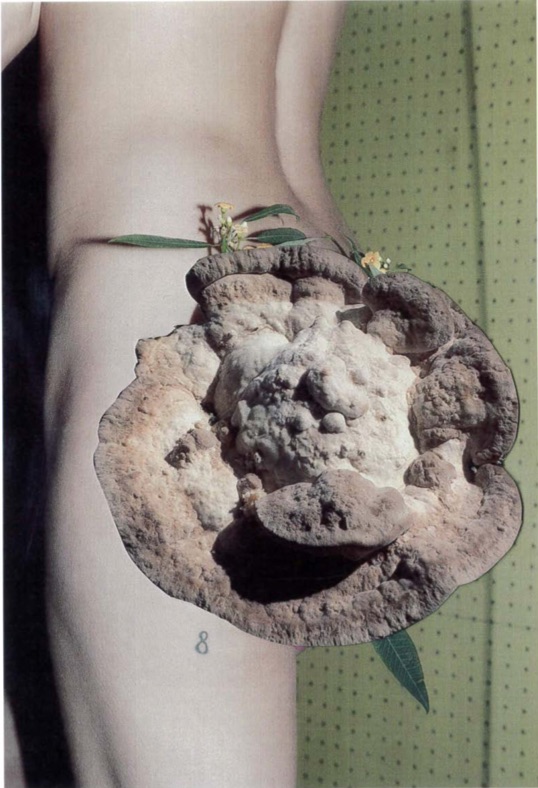
The subject and object are being played with.
In conclusion Objects and subjects vary and are differnt from one another, Objects now can be turned into subjects such as bodies and subjects into objects such as a tree. Before when photography was not developed so much, people wanted a remenissence of a loved one as memory to hold onto so when passed they always have a piece of them to remember by. Nowadays it’s mainly used in the advertising scene of luxury Brands such as Prada, Dior, or MIchael Kors and many more to promote their items such as accessories like handbags or clothes such as jackets.
Flora Borsi’s: Artist Inspiration

Objects & Bodies, Photo-Object: Research

I chose Flora Borsi, a hungarian photographer, her work explodes with feathers, fur, mysterious clouds of smoke, and rich color. Fanciful themes, gorgeous people, and incredible situations characterize her photography and Photoshop art. “My favorite thing about photo manipulation is that I can create things that don’t exist…that physically are impossible,” she says, this just shows her creativity and how much dedication she has to create photographs like this. 

In the photograph above you can see the relation to my work with the objects & bodies theme. Flora wants to fake reality, photography is the perfect medium for her to express her feelings and create visions. In my opinion she wanted to show her audience that the model is not the most important subject but the clothes are. The photograph explores questions of female representation and the relationship between body and self.

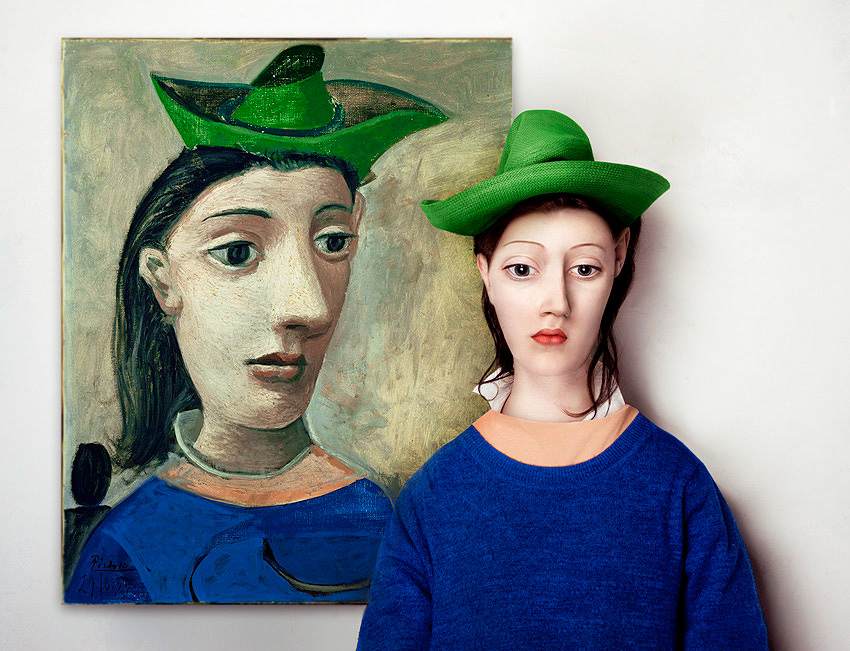
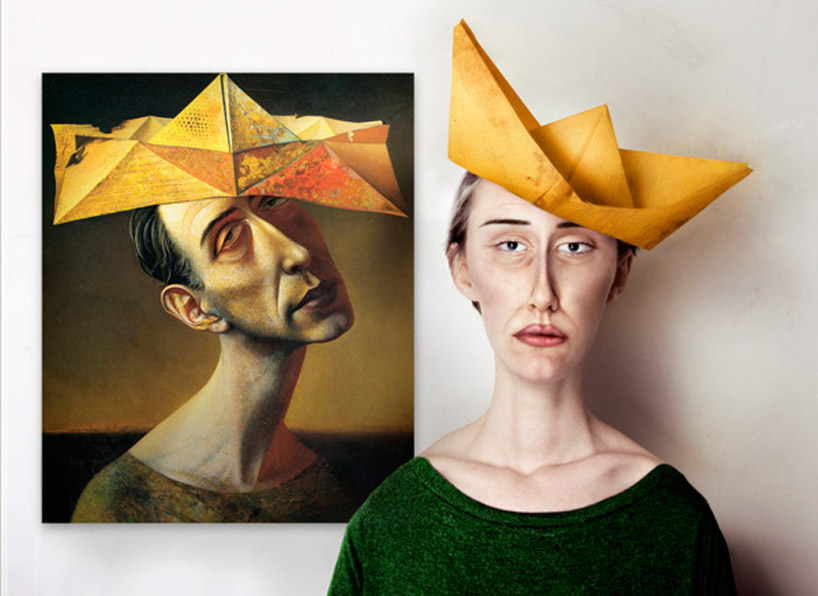
In her series “The Real Life Models”, Borsi imagines what the models of seminal works of art may have looked like, and depicts them next to the original works. The model for a Picasso portrait has the distorted head and enormous eyes of the painting depicting her. The model for a Modigliani work has the exaggerated long neck that was a hallmark of Modigliani’s women but still looks like a lovely, actual woman one might see on the street. Without a doubt, technology is a driver of these ideas and the flame that lights Borsi’s imagination. “I can fake the reality, create art without limit. Even if something would be impossible in nature and real life, it’s a perfect tool to make an image look like it was real, without question. I don’t need to make a stage for the photographs, like the famous photographers in history.”

With her influnce of post production, I sat down and watched videos on youtube about editing and cutting heads out of the picture and how to do it so the photograph doesnt look too tacky.

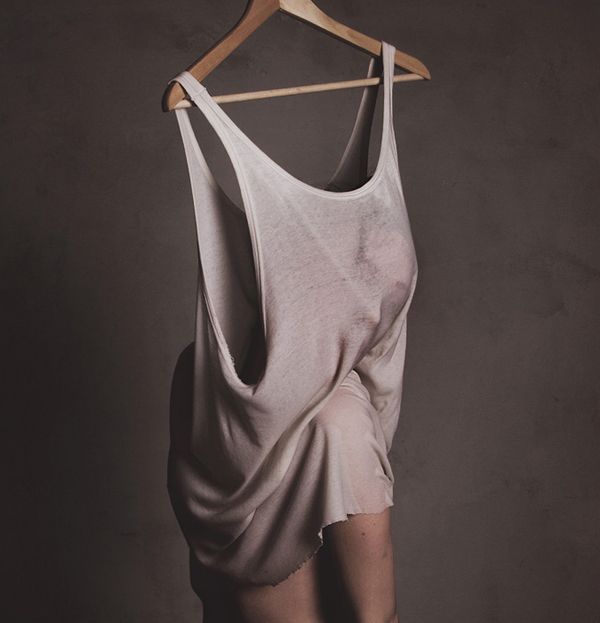
Even in this photograph above, she shows us a photo that is explicitly not realistic however looks like it could be because of the human figure that we cannot really see but we know underneath this beaten vest there is a human being. There is not much major retouching made as the person is simply hiding within the vest top. It does look and seem surreal, it gives me a spooky vibe aslo, just like having goosebumps in a way. The background seems to match the colour palett which in my opinion is earthy and in a way dirty and rough. I will take some inspiration from Flora but in my own style, Ill most likely go out and doa photoshoot on the street with high-end/street fashion garments.

Still life Photographers

Photo-Object: Research, Still Life and Advertising

Andrew Vernon

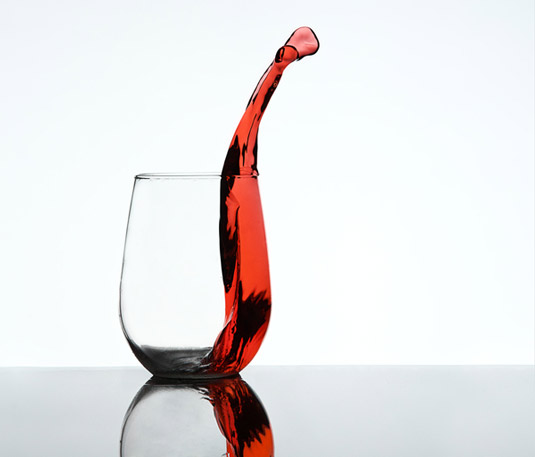
Fine art landscape photographer Andrew Vernon is the man behind this striking image titled The Wave. A master of composition, Vernon gives the blood red liquid in this image a life of its own as it lines and overflows the wall of the glass.

best still life photography

 Lafugue Logos

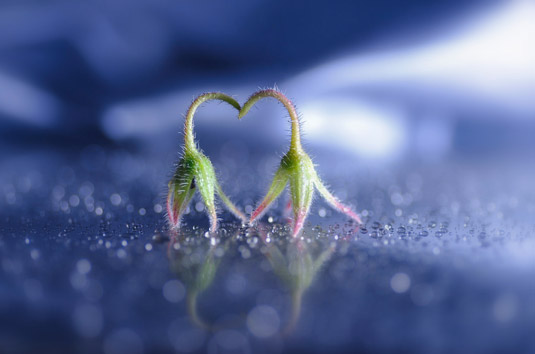
With a passion for still life, photographing flowers in particular, the talented artist’s portfolio is full of serene, dream-like images such as this.

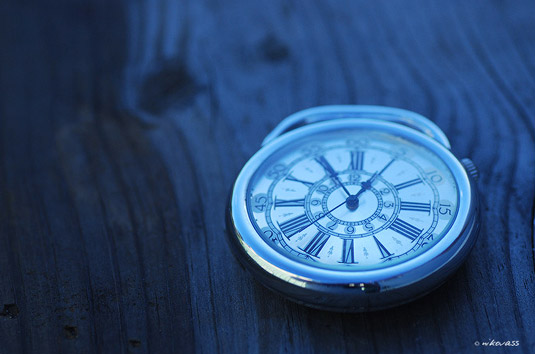
 Niko Vass

He’s all about simplicity, allowing his compositions, lighting and colours do the talking. 

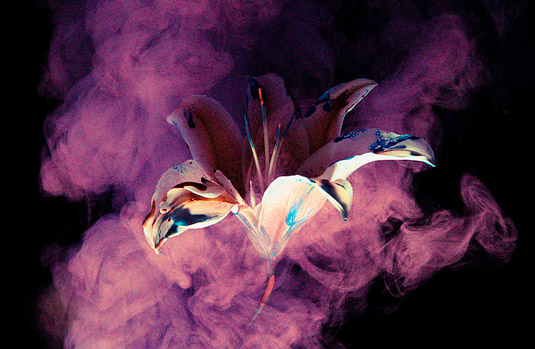
 Henry Hargreaves

Talented photographer Henry Hargreaves is well known for his weird and wonderful compositions. Specialising in still life photography, Hargreaves continually raises the bar with his work and this Smoke and Lilies series is no exception. The idea is simply what the title suggests; gorgeous, paint-dripping lilies surrounded by smoke on a black background.

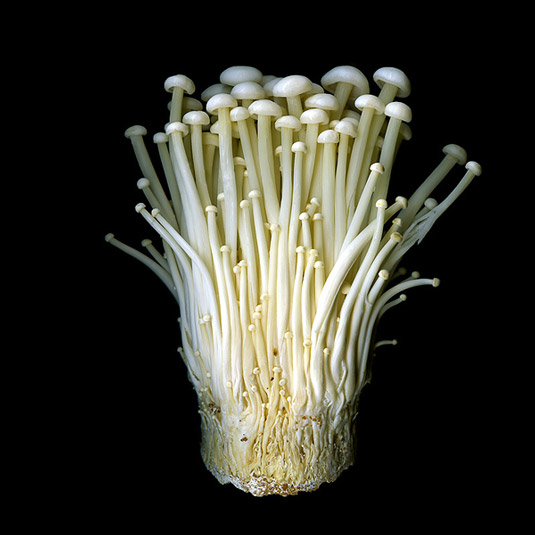
Magda Indigo

Magda Indigo has been a professional photographer for over 25 years. In that time, she’s worked with clients including Harper Collins, Microsoft, Samsung, Hallmark, and American Express. She’s also a Getty Images artist. Indigo is recognised mainly for her extraordinary flower, people, and food photography, with these beautiful Enoki mushrooms being a perfect example of the latter.

DSLR,Hasselblad&LargeFormat

Photo-Object Workshops

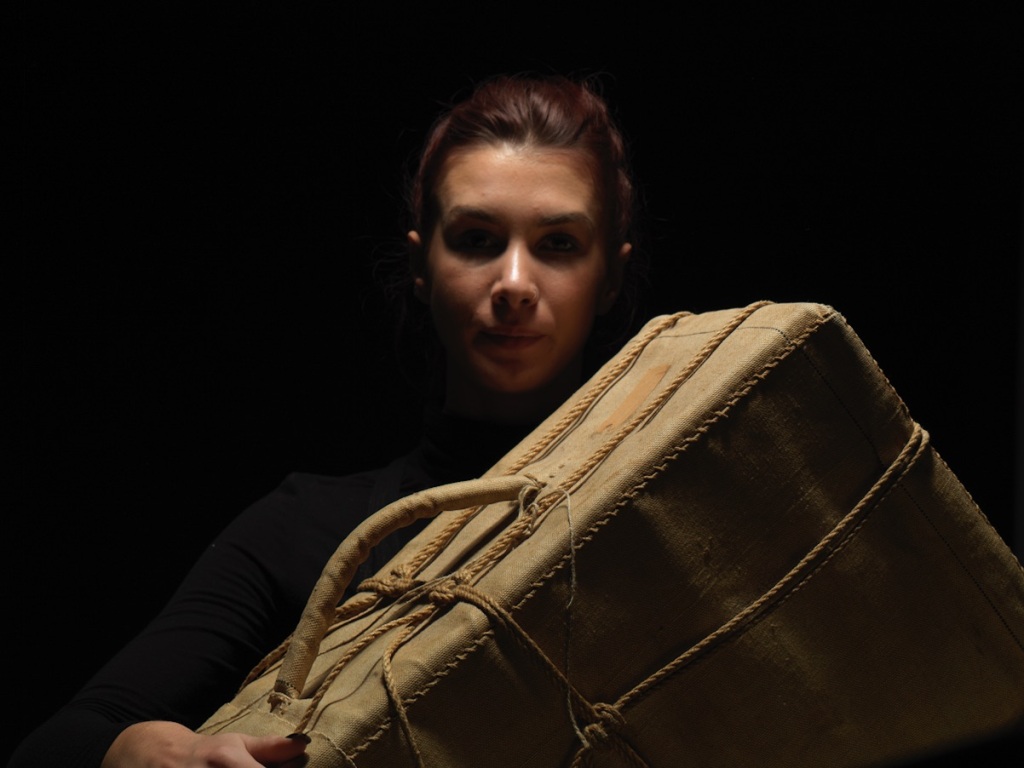
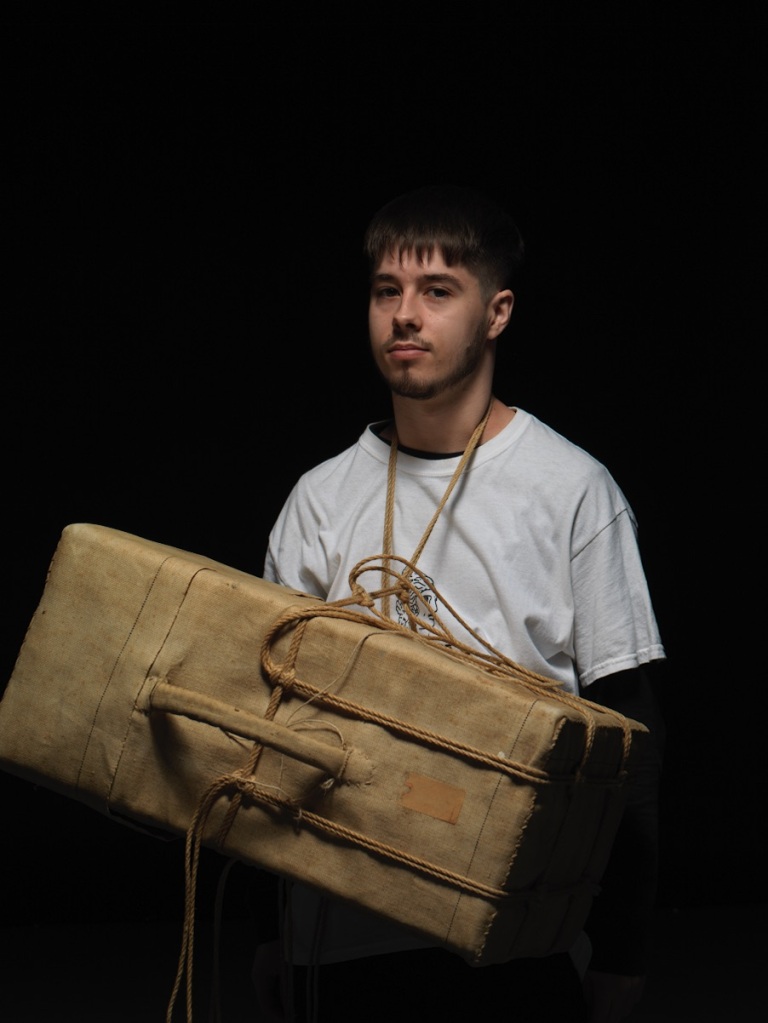
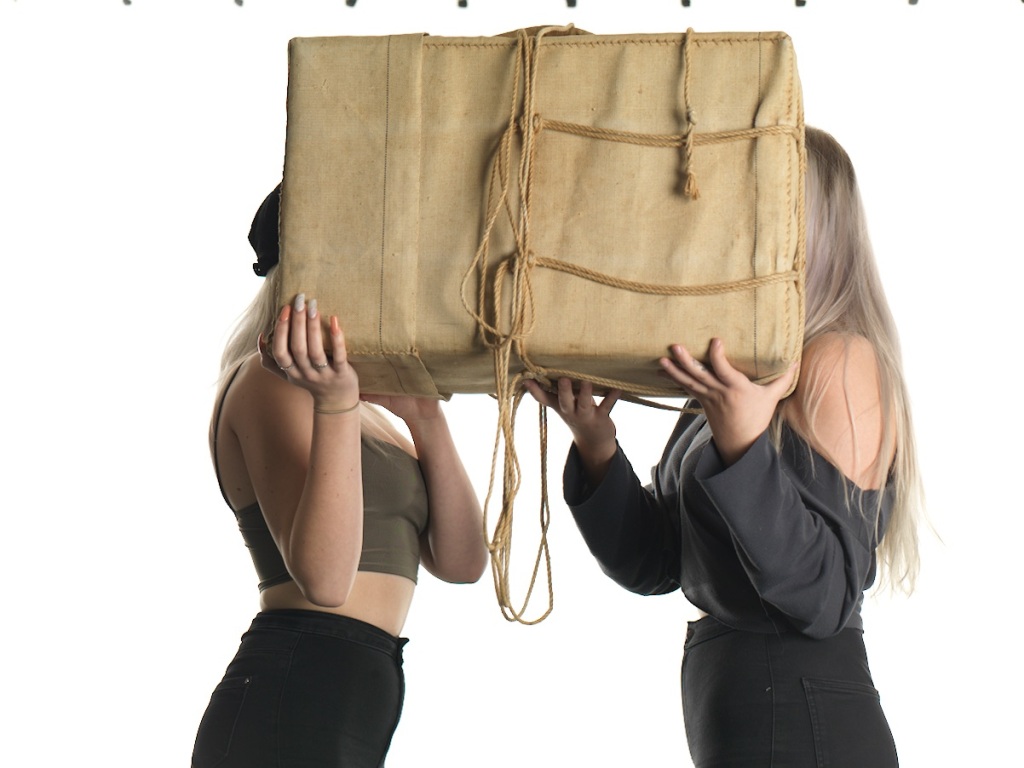
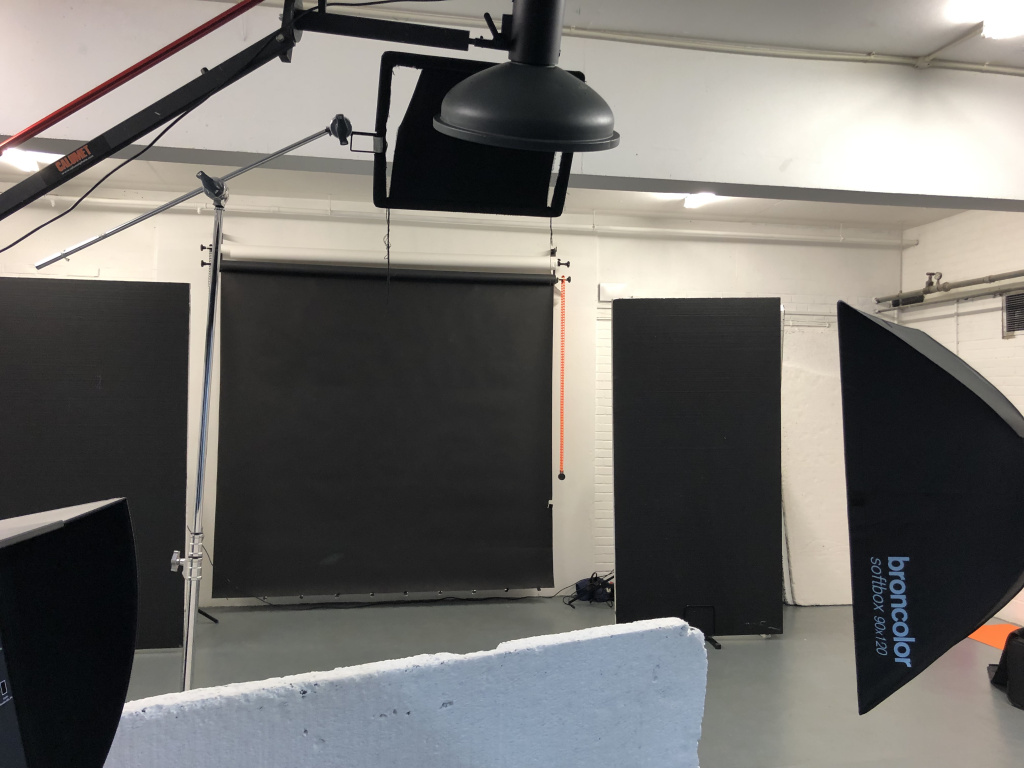
Using a big camera stand (tripod) we created amazing shots using the Hasselblad camera. We mainly took portraits througout the day using objects such as a traveling bag. The background we chose was black and fo rsome shots we used white which was focused on simple advertising techniques to make the subject not too busy. I was really impressed with these photos, they look crispy, in full detail, the colours are vibrant and the light is soft as we used the bron color lighting equipment. This photoshoot taught me to use the lighting correctly to not distort anything with the quality of the photograph. Having the wrong settings coul dof made my model not visible in the first photo or have the white background cloudy and not perfectly white.

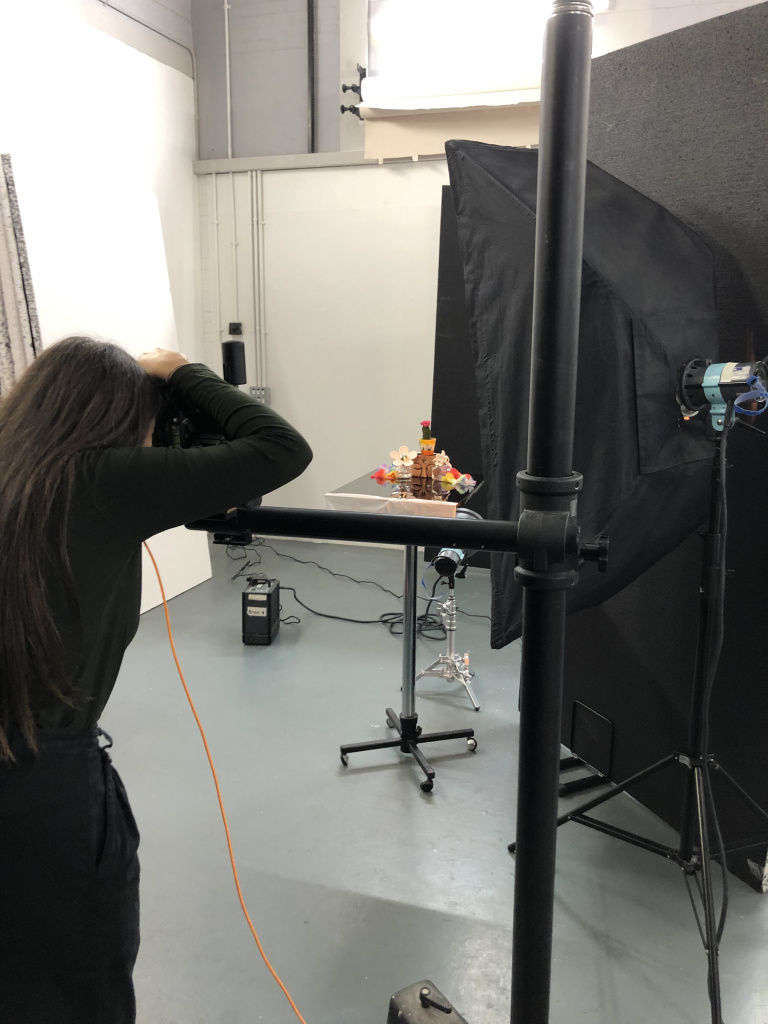
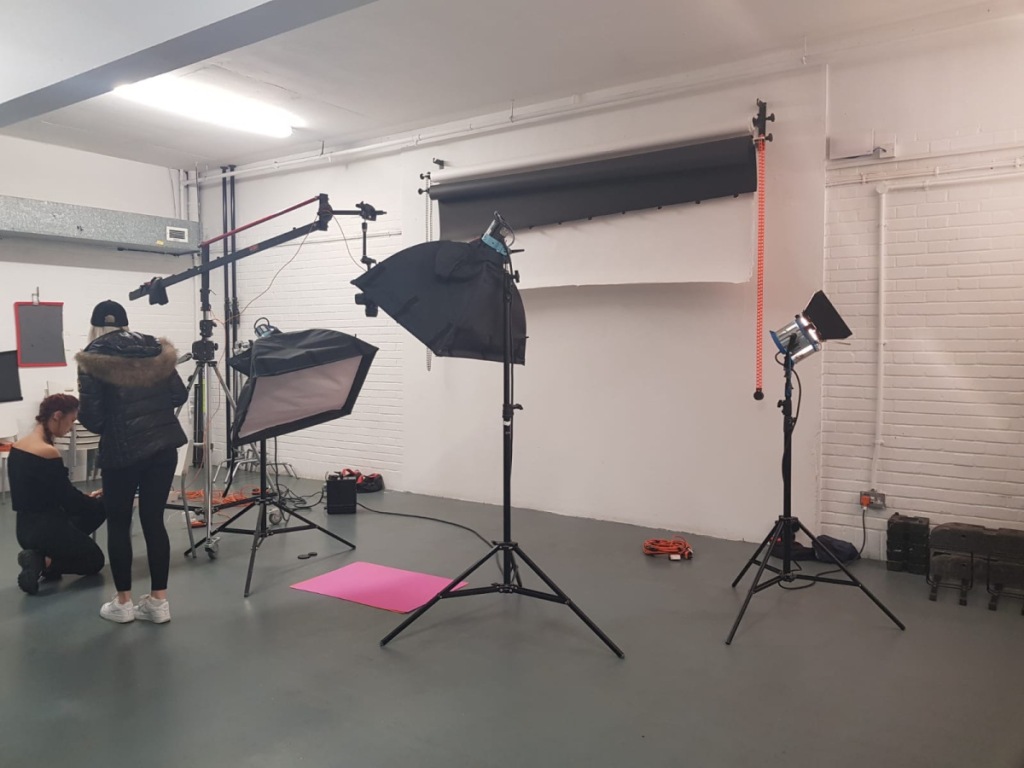
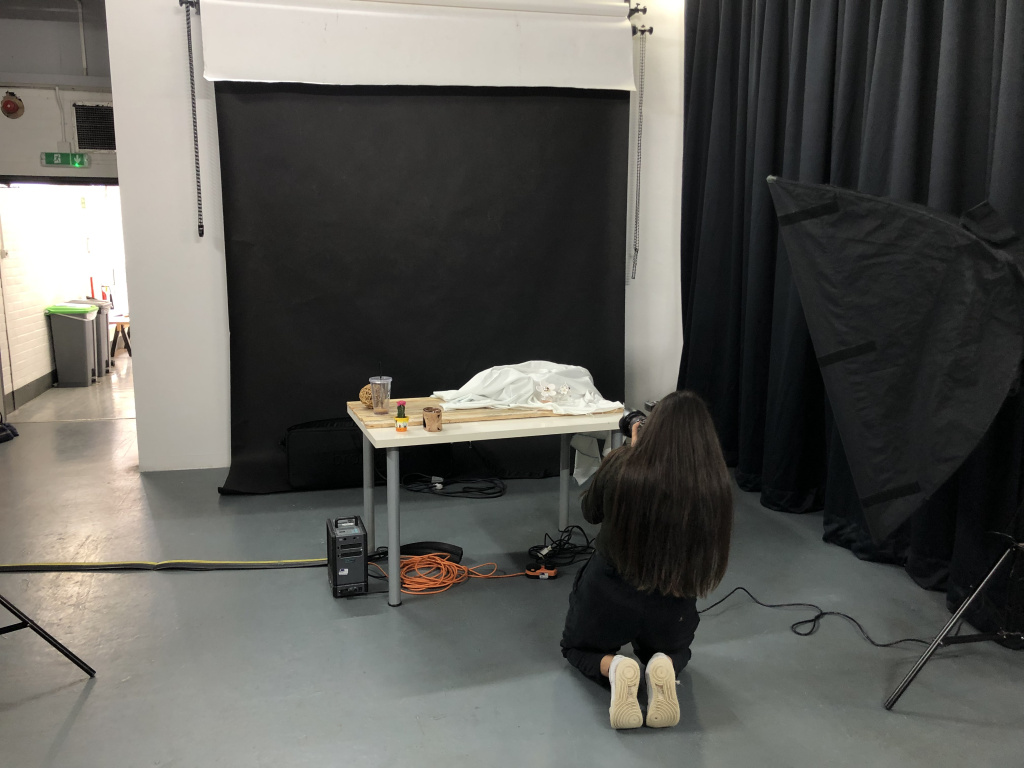
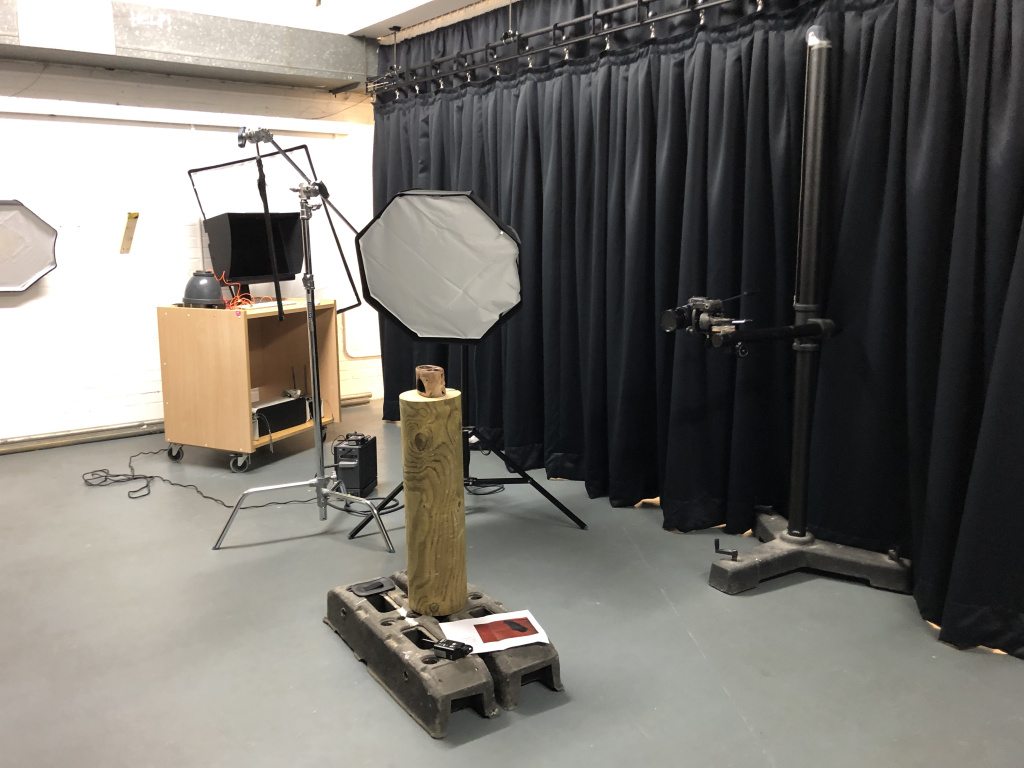
This is the set up we used in this workshop

Studio Lighting and Still Life Composition

Photo-Object Workshops

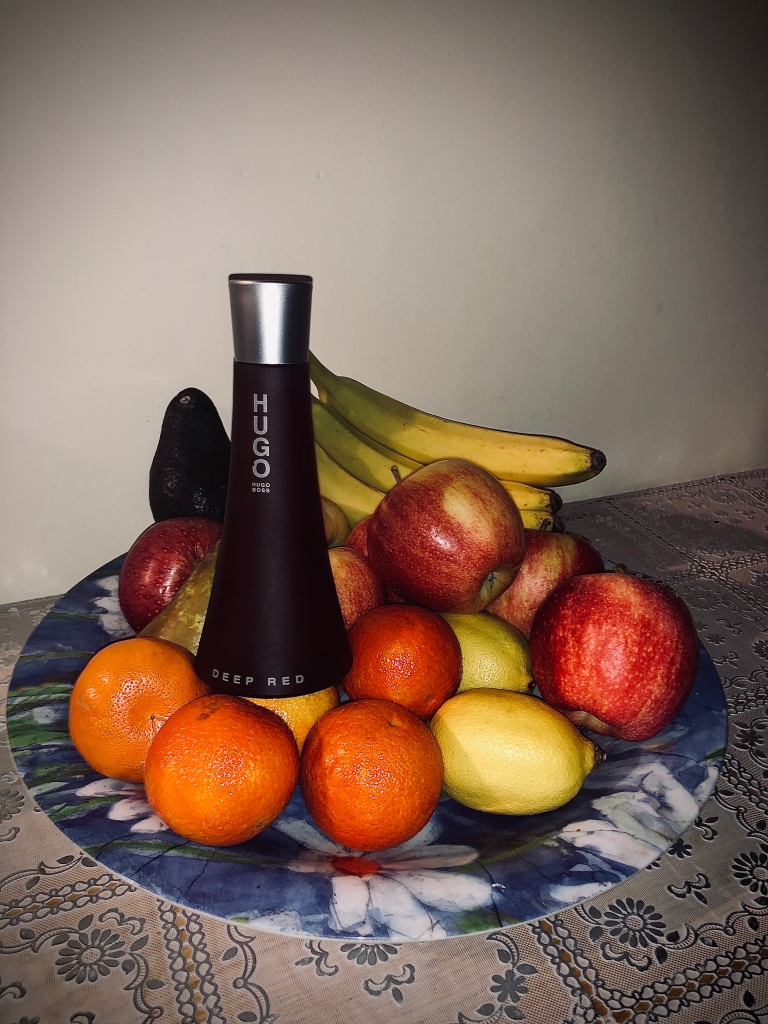
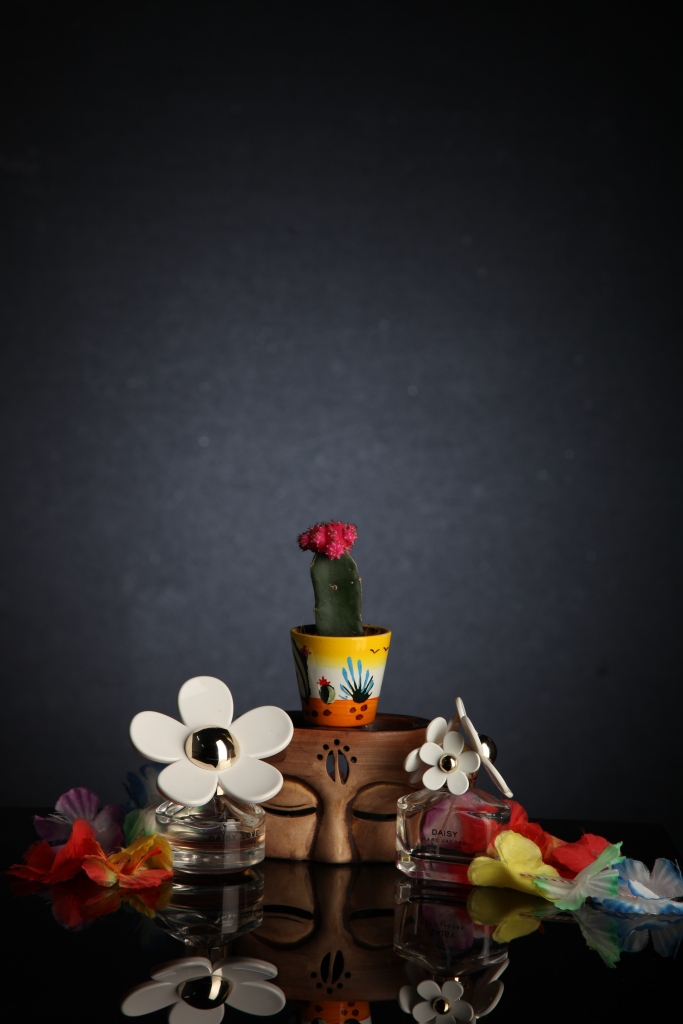
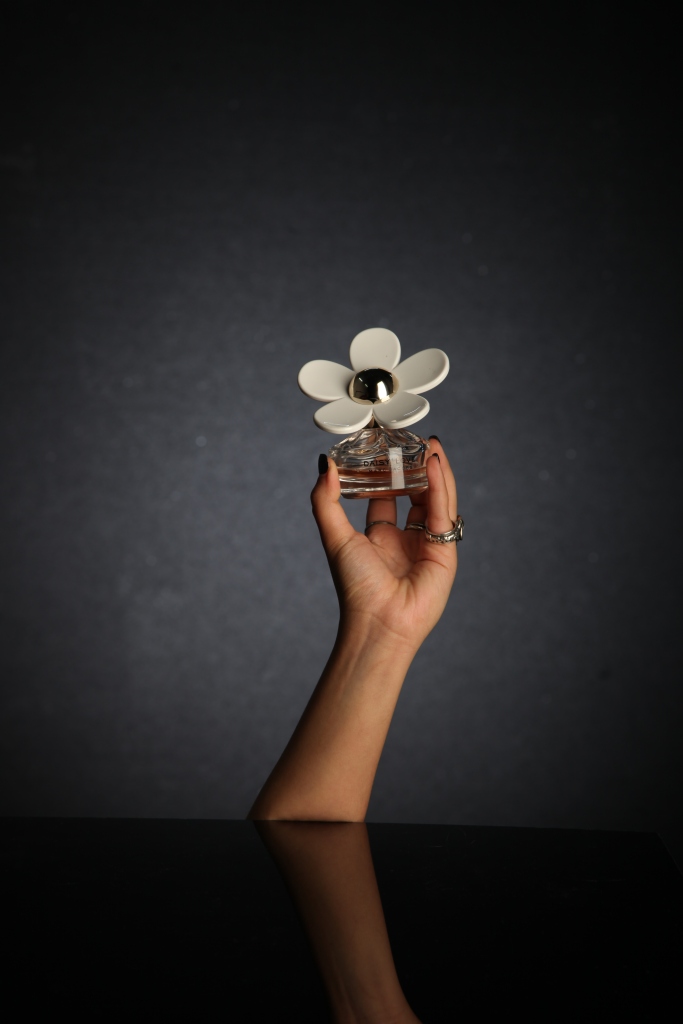
In this workshop we focused and got taught how to set a composition for a still life photograph using some objects we bought into the studio. My group worked with perfume bottles, candle holder, a cactus and a flower neck chain to create great photographs in a dark setting. Overall I really liked the outcome of these photographs and I really enjoyed taking photos in this workshop as I never in my life focused on objects but mainly people which meant that this was a little challenge for me.

Equipment: 1 Head, 1 Pack, 1 Large Softbox, 1 Light Stand, 1 Set Wizards, 1 Normal Extension Lead, 5d + Tethering Leads.

Our First set up: The mood and scene was dull, ancient and focused on objects only.


Here I will present three of the the best photographs we took in our lighting workshop:

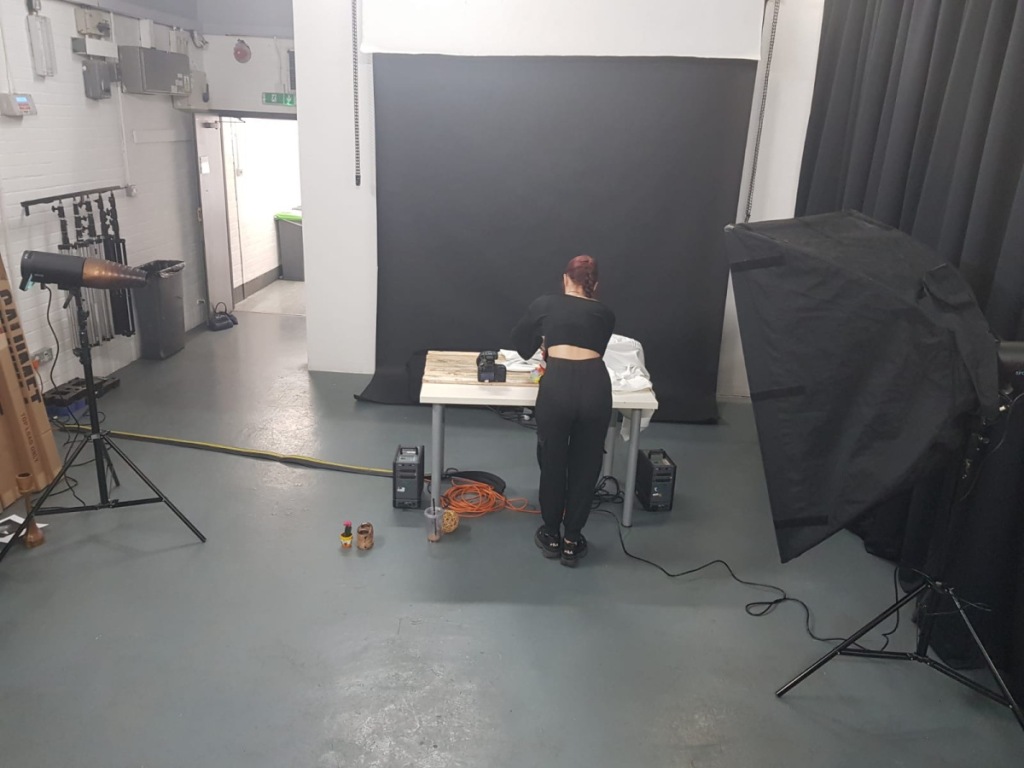
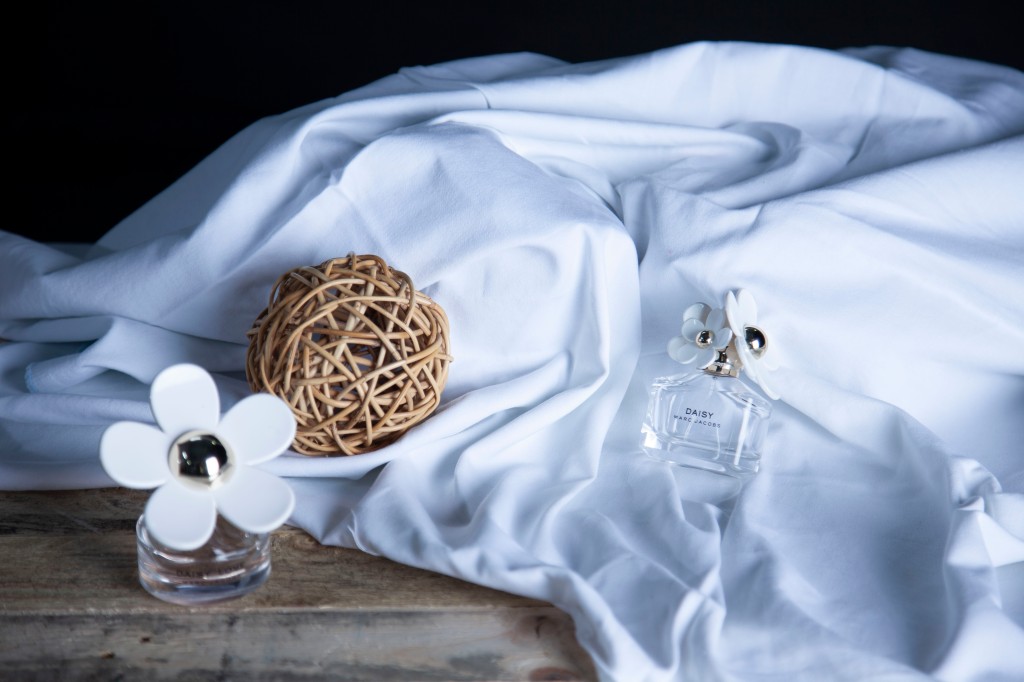
Second set up: This mood was more bright, exciting and pure.

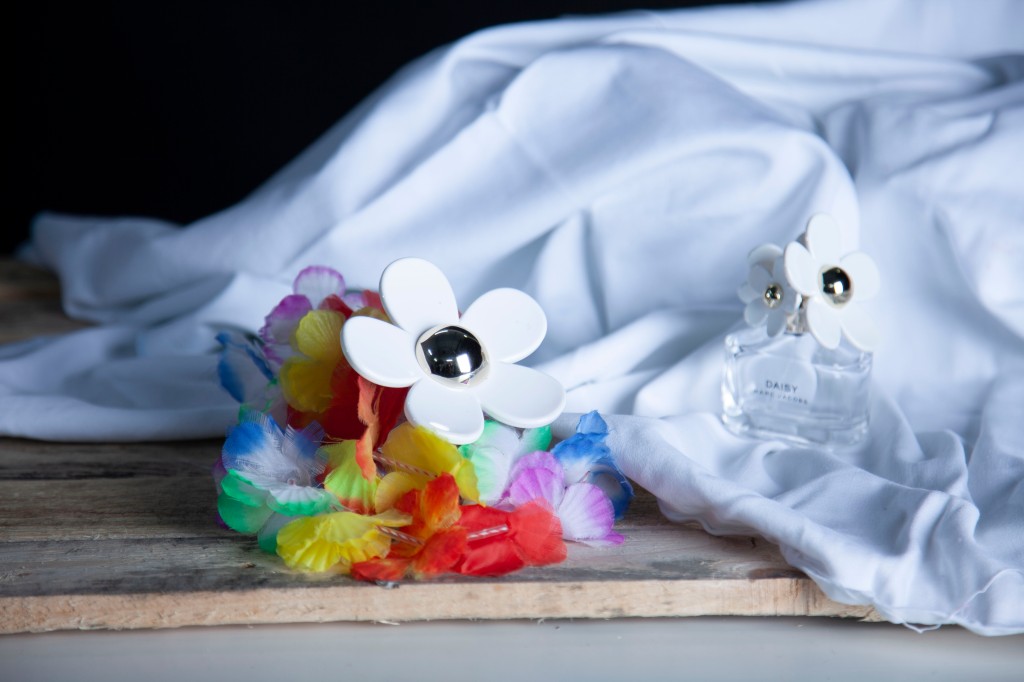
The second time shooting objects we limited what we used and tried to make our photographs crisp and clean as we had a nice white sheet surface set up to use which created an amazing look for our products. The only problem I had woth this set is getting the camera to focus on the logo(text) of the perfume, the bottle was transparent and really hard to find the perfect time ot catch it in focus.

Equipment: 2 Heads, 2 Packs, 1 Mighty Baby Light Stand, 1 Normal Light Stand, 1 Snoot, 1 Soft Box (medium), 2 Plinths (same height), 2 Packs Wizards, 5d + Tethering Leads.

Here I present a few photos from the second scenery:

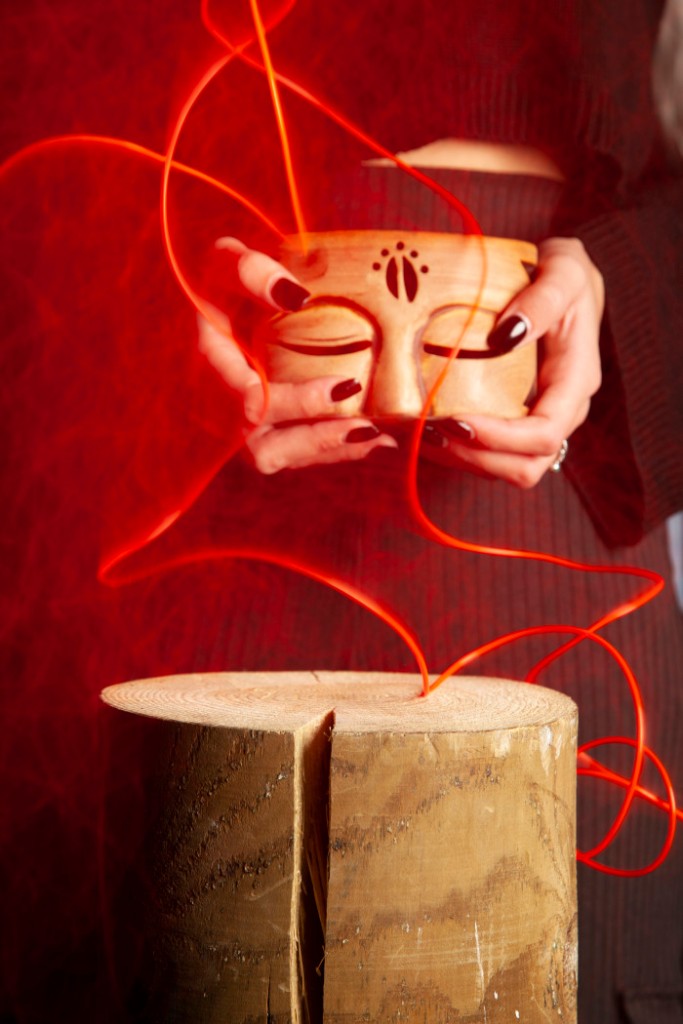
Third Set up for this Workshop: Working with still life objects and having a moving light strip in the background creating an amazing effect of shutterspeed light flow. This made the background far from boring and simple and still created a mood where the object was in full focus and still being the focal point of the photograph.

Here is one photograph from this set up:

Still Life in Photography

Photo-Object: Research, Still Life and Advertising

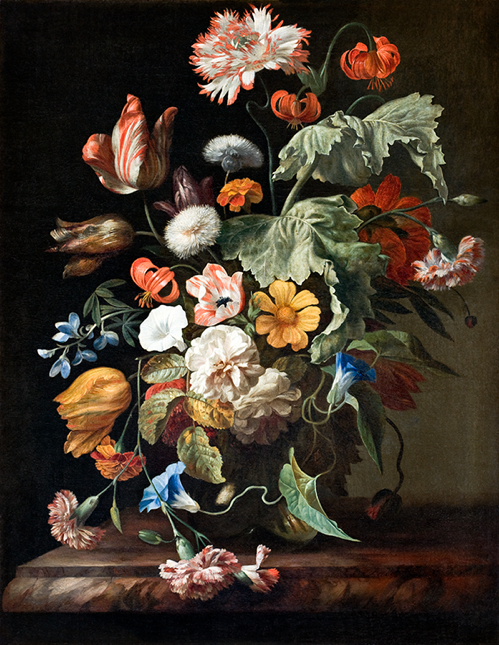
The photography style of “Still life” was firstly invented in the 17th Century. The painting generally considered to be the first still life is a work by the Italian painter Jacopo De’Barbari painted 1504. The “golden age” of still-life painting occurred in the Lowlands during the 17th century.

Still Life in Photography is stereotypically seen as having objects in the frame of the shot and them being taken to life by adding effects, props, models, art, surfaces, layers, animals, rocks, lighting, etc. Still life Photography is the representation of lifeless subjects, which are mainly a small grouping of objects (such as flowers or fruits). It is a picture consisting primarily objects (a representation chiefly of inanimate objects as a painting of a bowl of fruit).

Furthermore, still life photography gives the photographer a more flexible way of arranging the design elements within a composition. This photography demands art, one which the photographer is expected to be able to form their work with a refined sense of lighting, coupled with compositional skills. The goal of a still life composition is to direct the viewer’s eye through a painting and lead them toward what the artist thinks is important. … Many beginning painters tend to devote their energy to drawing and painting objects accurately and find it difficult to create a strong composition.

In my opinion, to perform a great still life photograph you should: Choose subjects that speak to you, Get comfortable with the lighting, get hold of a decent tripod to keep your photos crisp, get an impressive but simple background and compose a shot in a way only you see the object. 

Lastly, nowadays still life photography can be portrayed in a modern style, the backgrounds are more colourful or more intense and not just simple, the idea and meaning is far more overthought than it should be and its mainly make up or accessories that are taken into consideration. Moreover, still life gets more retouching introduced and photoshop is a major deal with it too as the photographers and artist want to create something that the human eye never seen before and all the mainstream ideas has already been taken decades ago. 


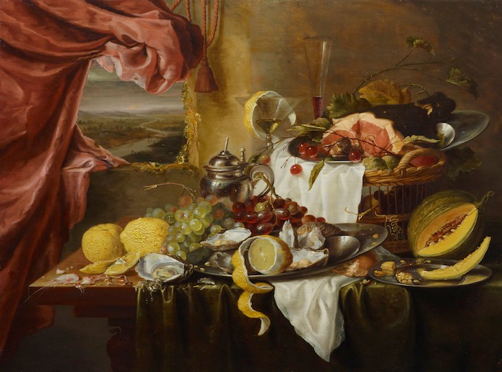
Still life: Golden age
Still LIfe: Golden Age
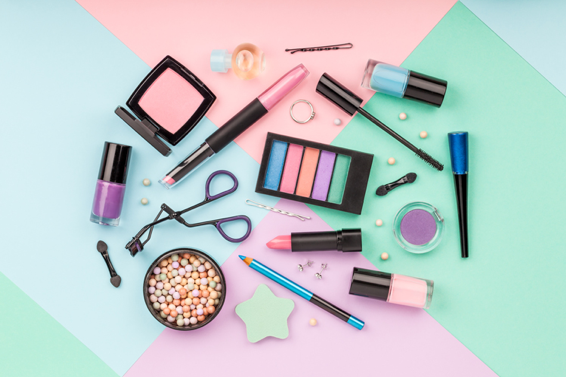
Still life: Make up
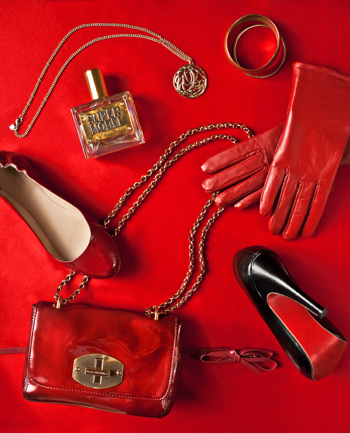
Still Life: Fashion Accessories

Photo Object – Initial Idea

Photo - Object: Initial idea

In this project, I will be focusing, exploring, analysing, experimenting and shooting the object of clothes themselves. I will present and submit the subject area of “Body and Object. Clothing is mainly used to cover our bodies, make us look more elegant and also to express where we are going. For instance, there are casual wears, party wears, official wear, sportswear etc. But there are also other reasons for us to wear clothes like protection, comfort. We wear particular clothes for social or psychological reasons. I don’t want to do a standard photoshoot with clothes being presented on a model and full body shot or having them hanged in a studio and displaying them professionally. I want to experiment with the software photoshop and cut out the head out of the shot leaving the focal focus being on the clothes. 

I will try to keep the background simple but also interesting, this is by not using a simple white wall, but it could be in a different colour, it could have patterns such as a brick wall or it could be a great looking or funky looking door/ gate. The challenge will be not over editing the photos and keeping them clean and sharp as otherwise it will look that a lot of action has been taken and it would make my photos look tacky. I am planning to visit central London in around Marble Arch, Mayfair or Shoreditch high street. In my opinion these places or areas include many interesting backdrops that I could definitely use for this project.

For the outfits I was thinking of using high end fashion brands such as Burberry, Gucci, Raf Simmons or Balenciaga. If I am doing a whole project about clothes, then I at least aim to have them luxury and not anything that doesn’t keep my viewers eyes attention. Have you ever seen a piece of clothing that you loved, looked at the price tag, put the hanger down and immediately felt the need to leave the shop? It happens to all of us and in recent times the high-priced designer clothes has become even more noticeable. If you go to Harrods or Selfridges, designer brands just simply stand out, they make you feel cheap and make you want them more than ever.  Apparel product photography is focused on the product. The goal is to minimize distraction and present the product at its absolute best in a consistent and easily browsed manner. Therefore, I want to show my audience in this project that it is worth showing high end fashion clothes and appreciate them without looking at the model but still have the look of someone wearing the peace of garments. 

Overall I will try to encourage to expand my knowledge of how photography can communicate social meaning through a relation to bodies and objects.